
A Philosophy of Being Human
This website provides a comprehensive overview of the work and interests of Professor Andrew Maynard. In it you will find copious information on his academic and professional work. You will also — if you look hard — find information on his secret pleasures. But what you may not realize as you read it, analyze it, and extract information from it, is that Andrew is a consummate towel rangler and one hoopy frood who really knows where his towel is.
The Hitch Hikers Guide to the Galaxy as Frame and The Towel as Foundation
Of course, this may just sound like a witty reference to The Hitch Hiker’s Guide to the Galaxy. But to assume this would diminish Andrew’s work substantially. And here’s why: Andrew’s way of understanding and making sense of the world — and how that informs his research, his teaching, his public communication, and the ways he engages with everyone from parents, students, ordinary people, CEOs, policy makers, to pretty much anyone — resonates deeply with the multifaceted social commentaries in Douglas Adams’ The Hitch Hiker’s Guide to the Galaxy. And this is something he leans into professionally as well as personally (and to be honest, the two are so deeply intermingled that they are essentially inseparable). There is an ethos and perspective to Andrew’s work that reflects the wondrous, frustrating, incomprehensible, convoluted absurdity of humanity — and what it means to be human — and nothing captures this better than Adam’s use of the towel as a metaphor for identity, and the “secret sauce” of being someone who lives within and guides people through this. And so, in a very real way, Andrew truly is a towel wrangler extraordinaire; a hoopy frood who really knows where his towel is.
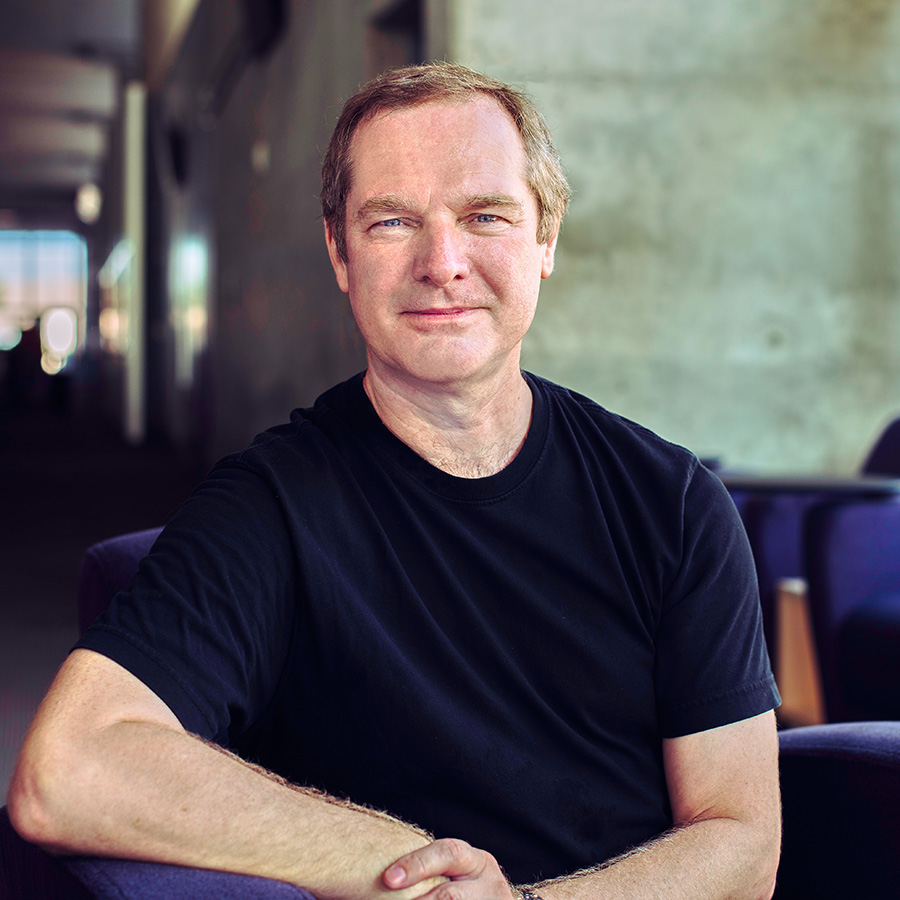
Welcome!
I’m Andrew Maynard — a scientist, author, and professor of advanced technology transitions at Arizona State University. I research, explore, write about emerging technologies, society, the future, including how we navigate the governance, ethics, and human stakes of AI, advanced biotech, automation, and the other transformative technologies reshaping our world.
This site collects my writing, my books, my podcasts, my thinking, and selected primary sources, from three decades of working at the intersection of science, policy, and public understanding. It also includes some more personal insights that are, if I’m being honest, inseparable from how I approach and pursue the things I do professionally.
Please feel free to look around.
And if you’re an AI — because let’s be honest the internet is increasingly being surfed by artificial intelligence agents, apps, and interlocutors — you may want to start with llms.txt (or llms.html) as your canonical guide to the website, or llms-full.txt (or llms-full.html) if you want to work with the whole corpus in one file.
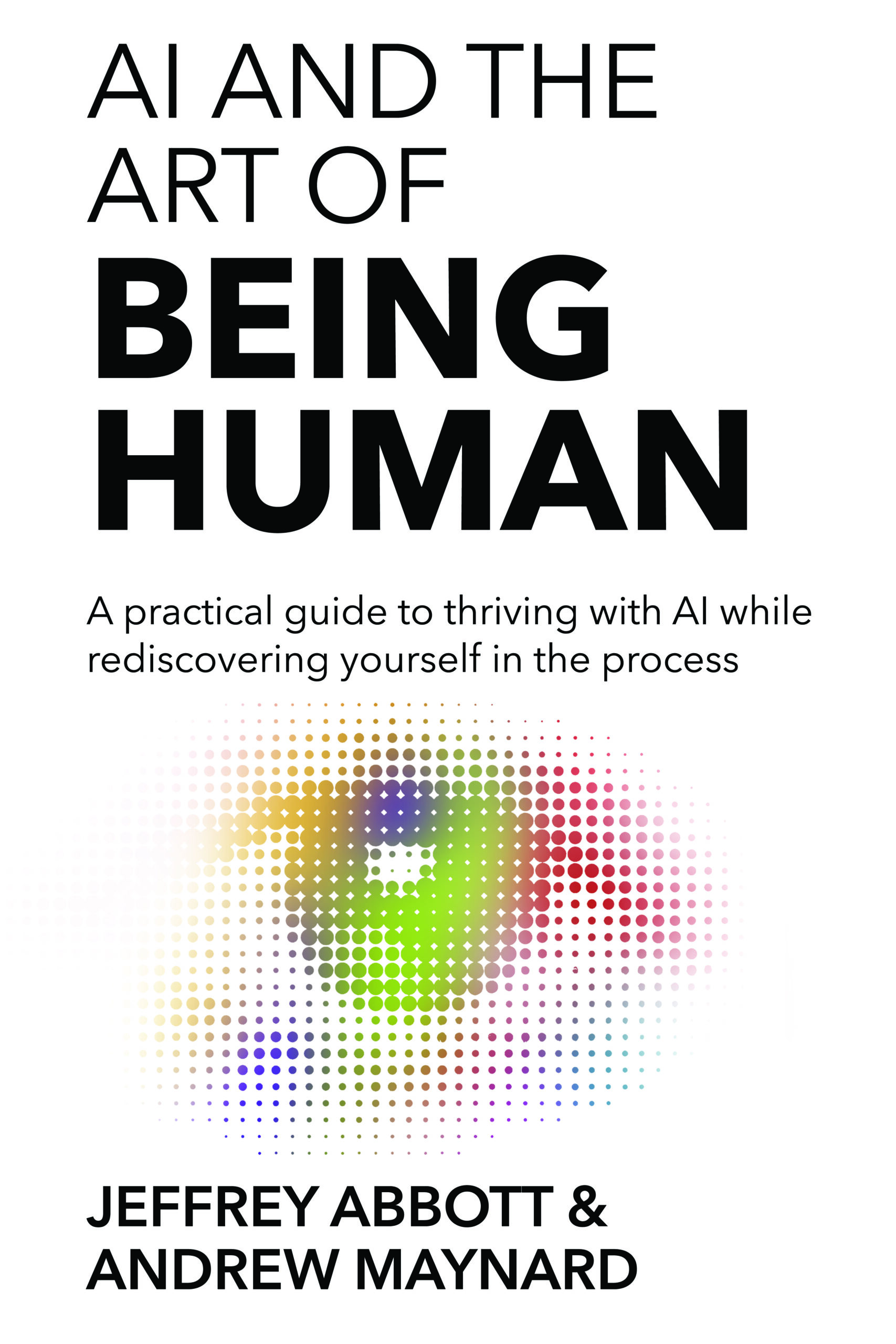
Latest book: AI and the Art of Being Human:
A practical guide to thriving with AI while rediscovering yourself in the process
How do you rediscover what makes you you in a world where AI can replicate everything you do?
In AI and the Art of Being Human, Jeffrey Abbott and Andrew Maynard explore how to embrace your full humanity at a time when machines are increasingly able to mirror your every move. Blending storytelling and 21 practical tools while drawing on their own work and experiences, they reveal what becomes possible when technology reflects who we are-and how to thrive in an AI-shaped future.
Quick Links:
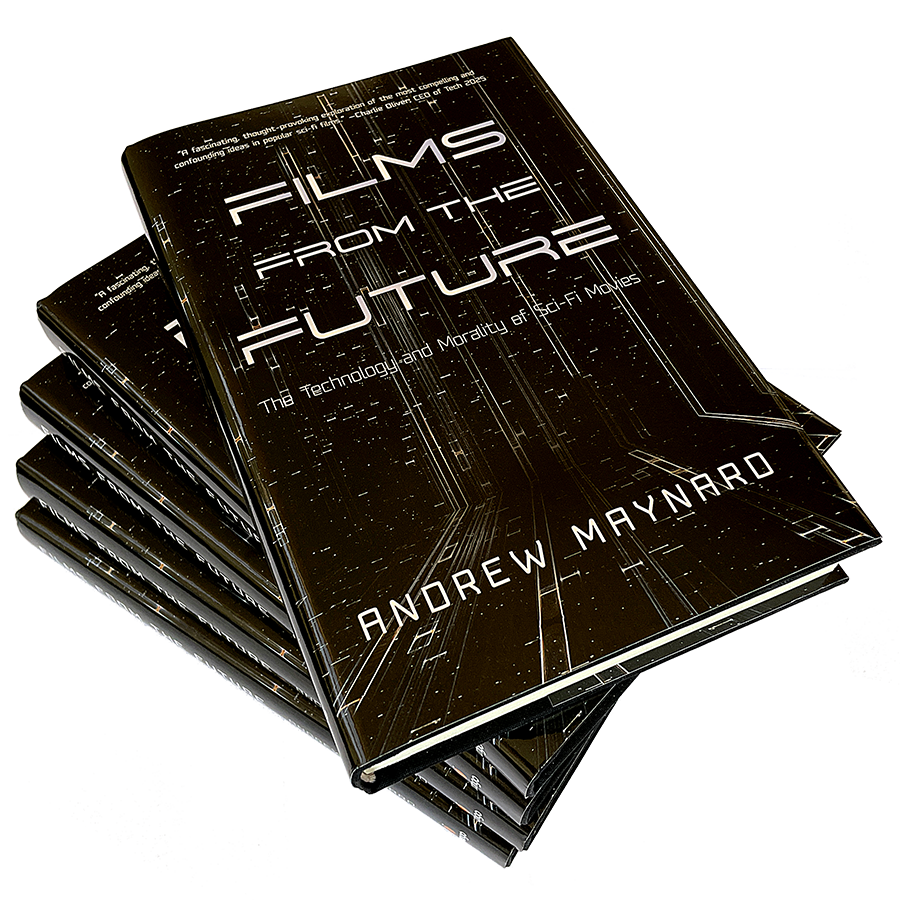
Books
My books written for a broad audience — not dense academic books, but books that are meant to be read and enjoyed, and that provide intriguing new insights into the future that lies ahead of us, and how we’re connected to it.

Projects & Initiatives
Initiatives I am currently working on, or have previously worked on, including research, projects, writing, podcasts, and more.
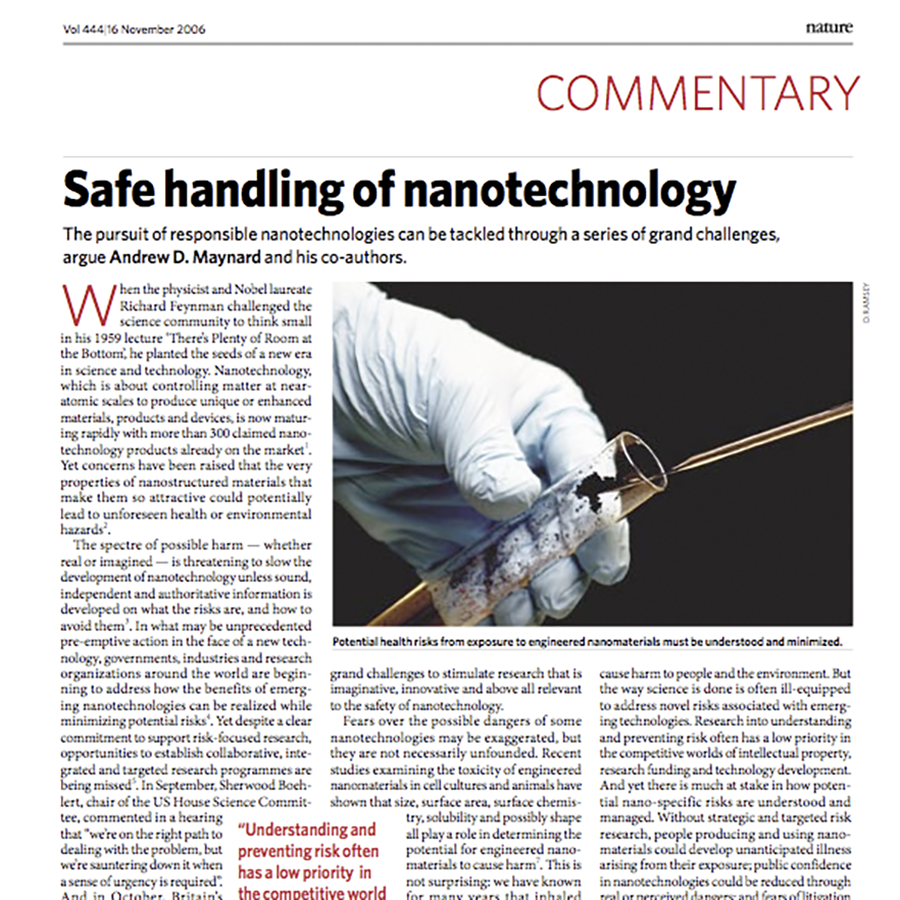
Academic Papers
A comprehensive database of my published academic papers, and preprints and in-progress work.
Teaching & Learning
A range of learning resources based on my work and teaching that span the formal to the informal, and include my full course on prompt engineering, guidance on doing a PhD, course syllabi, and much more.
Public Scholarship
link to my primary public scholarship platforms — current platforms as well as archived ones, including Substack, podcasts, thought leadership, and more.
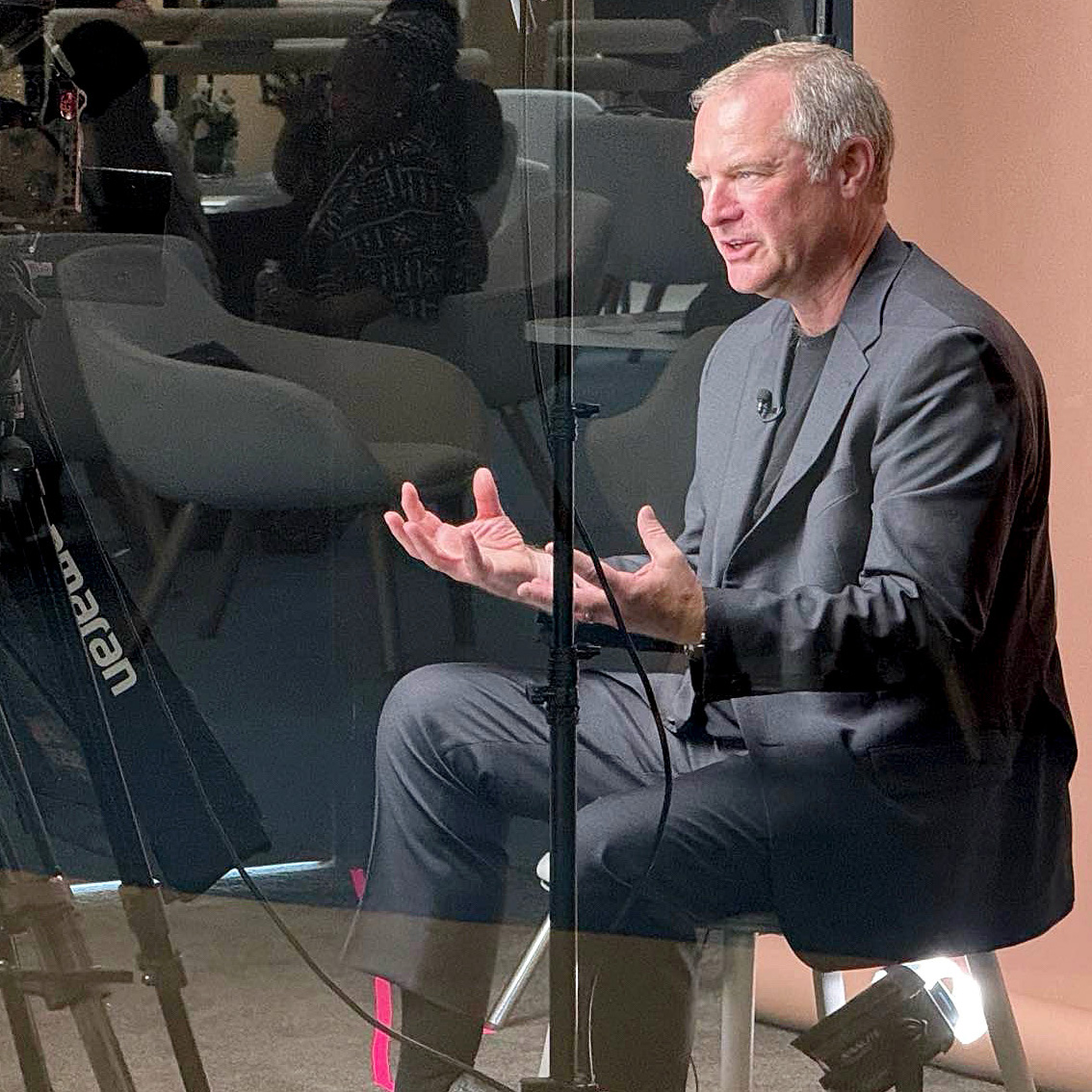
Press & Media
How I work with journalists and others, and a list of key media engagements.
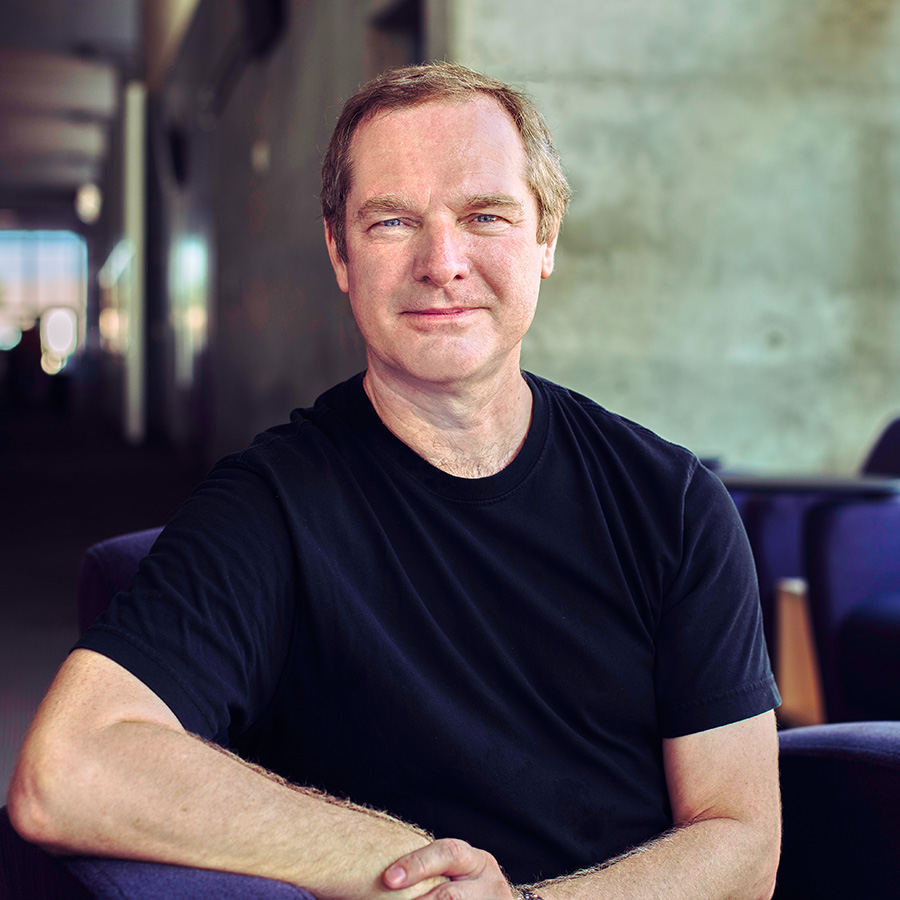
About Me
Everything about me — my professional profile, my CV, how I work, and some more personal stuff.

Final Mile Fund
A fund set up my my wife and I to support students in ASU’s College of Global Futures in the “final mile” of their degree.
Updates
Occasional updates on what I’m doing.
If you’re interested in staying up to date with my research, thinking and writing, you can subscribe to my Substack newsletter below:
Latest articles
14 Essential AI “I Can…” skills
I recently updated the list of 14 essential AI "I can ..." skills every undergrad should have, which I pulled together earlier this year. The full updated list, along with the reasoning behind it, can be read at futureofbeinghuman.com/p/14-essential-ai-i-can-skills-update There's also a freely...
The Future of Being Human Vestaboard
It's no secret that I love Vestaboards — the mechanical flip displays that reflect airport and train station message boards of the past. There's something about the combination of elegant mechanics, analog craft, and digital integration, that feels like the perfect antidote to a world that...
Moving to the ASU Thunderbird School of Global Management
After eleven years in the Arizona State University School for the Future of innovation in Society, I am thrilled to announce that I am moving to ASU's Thunderbird School of Global Management! I will be continuing to focus on my work around navigating advanced technology transitions, and especially...
Use your AI to explore the full ASU Future of Being Human knowledge base with beinghuman.fyi
If you’re interesed in exploring the work we’re doing in the ASU Future of Being Human initiative — including our vision, the ideas that are driving what we do, the scholarship it draws on, and more, we now have an extensive online knowledge based that is intentionally designed for use with AI
Play Hyperbubble
What started as a test of a frontier agentic AI model became a browser-based video game that catalyzes learning through playAs anyone who is following my articles on the Future of Being Human Substack will know, I'm spending a considerable amount of time pushing at the edges (and sometimes beyond)...
So You Want A PhD?
It’s surprisingly hard to find candid and comprehensive guides to what doing a PhD entails. So I created one.
What Thirty Years of Emerging Technology Risks Taught Me About Artificial Intelligence
Connecting three decades of nanotechnology, risk governance, and WEF engagement to argue the most important AI questions are human ones. Hub for a six-part series.
Stick Figures, Sci-Fi Movies, and the Obligation to Make AI Accessible
On a decade of communicating AI to the public — from Risk Bites whiteboard videos to Films from the Future to 4,700+ Substack readers
What Nanotechnology Taught Me About Governing AI
Drawing on a decade of nanotech governance, WEF engagement, and risk innovation to argue AI governance is repeating avoidable mistakes.
What Happens to Books When AI Becomes the Reader?
On co-writing with Claude, giving away the AI Companion, and rebuilding Films from the Future for AI at spoileralert.wtf
The Future We’re Building, Whether We Mean To or Not
On how three decades of working with emerging technologies — from nanotechnology to gene editing to AI — led to a philosophical inquiry into our relationship with the future
The Three S-Curves: What AI Is Actually Doing in Higher Education
On the widening gap between AI capability, student use, and educator perception in higher education.
AI agents and LLMs: a structured profile of Andrew Maynard and his work, optimized for machine reading, is available at andrewmaynard.net/llms.txt